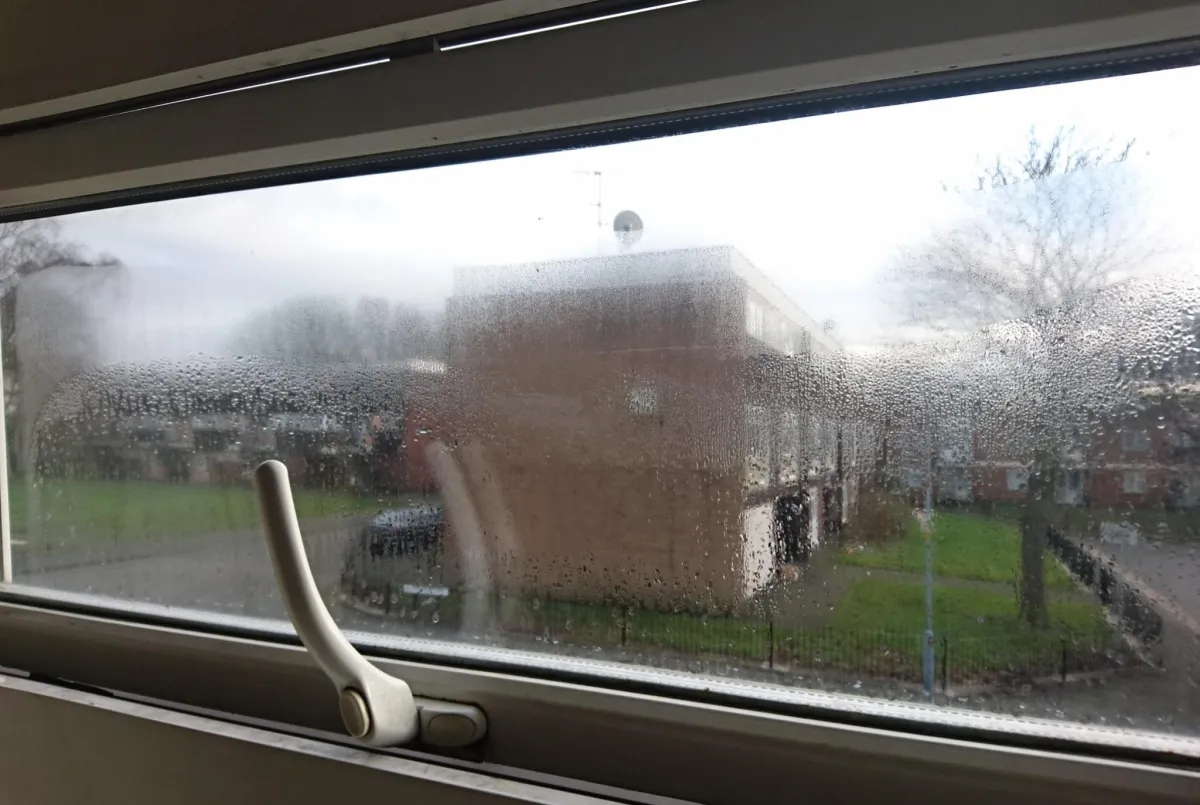
Understanding Humidity and Temperature Data in Disrepair Cases
Under the new Awaab’s Law regulations landlords have a duty to inspect their properties for damp and mould and to investigate reported incidents of damp and mould within a strict timeframe. This involves a level of environmental testing to establish acceptable standards and to monitor climactic conditions in a property. Damp and mould are the most common causes of housing disrepair issues. Humidity and temperature are key indicators which can help to highlight concerning trends and to identify the cause of developing damp and mould problems.
Extremes of humidity and temperature can also contribute to other issues which can influence the comfort, health and safety of a tenant in a rental property, and hence it is important to be able to take accurate readings for these environmental factors, and to be able to understand and interpret the results in order that accurate judgements and informed decisions can be made.
Why humidity and temperature are important in tenant health and safety
Indoor air quality is a significant factor in maintaining rental properties that are safe and comfortable and which fulfil a landlord’s basic legal obligations. These obligations are set out in the Landlord and Tenants Act 1985, but also the recently introduced Awaab’s Law regulations. Poor indoor air quality can contribute to a number of health problems, such as respiratory illnesses, allergies and skin complaints, and landlords have a legal duty to investigate and resolve issues causing these.
High humidity levels can be caused by failing ventilation systems or windows and doors not opening, while extremes of temperature can be caused by structural issues with walls, ceilings and roofs as well as a lack of heating throughout a property. High or low temperatures can make living conditions very uncomfortable and can also lead to the development of damp and mould, an airborne fungus which can enter a person’s lungs and affect their breathing and skin condition. When a landlord inspects properties and responds to reports relating to housing disrepairs, they need to be guided by data so they make accurate and reliable decisions. This means taking readings which help to identify trends, highlight concerning conditions and which should prompt immediate action.
Damp and mould can be a direct result of humidity and air temperature which can lead to condensation forming in a property. Excess humidity can be caused by moisture entering a property from breached damp proof courses, leaking roofs or from gaps around doors and windows. But humidity is also caused by people drying clothes inside on warm radiators without fresh air ventilation, or from not ventilating the home when steam is produced from cooking or showering. High humidity coupled with low temperatures will increase the chances of damp and mould growth. This problem is often made worse in social housing situations because people tend to spend longer in their homes and are therefore more at risk of poor air quality.
The importance of collecting humidity and temperature data
A landlord needs to collect data on humidity and temperature in order to:
Understand how a property is performing in terms of air quality
Establish compliance in terms of humidity and temperature issues contributing to damp and mould
Identify where trends are appearing which could highlight a disrepair issue leading to damp and mould
Create a robust evidence base for housing disrepair disputes
How landlords can collect data on humidity and temperature
Instrument type - In order to collect accurate data on humidity and temperature levels, landlords can install sensors and data loggers which monitor various contributors to indoor air quality, such as humidity and temperature. These will supply readings over a period of time, which can be adjusted to account for seasonal factors and the everyday habits of tenants. Alternatively landlords can use meters and instruments to take manual readings themselves on a regular basis. They need to know how to use the instruments and how to interpret results, and, along with installing sensors, this has to be done with the permission and understanding of the tenant.
Location - Whether using static sensors or manual instruments, readings should be taken from ‘normal’ locations and not from positions which could unrealistically skew the results. Readings should therefore not be taken in bathrooms or kitchens, or near external doors. They should be taken in locations between rooms where there is some airflow, and you should take readings on all storeys of a property.
Data periods - Landlords should also take readings over a reasonable time period in order to identify trends and patterns, and to secure average or typical readings. This can help to build a profile which evens out ‘peaks’ and which can help to distinguish between what may be linked to property performance or tenant behaviour, and may also capture data during different seasonal periods. Additionally, a landlord should compare data with other similar properties they may have responsibility for, which can help to identify issues. Using data alongside discussions with a tenant can help to benchmark each property and assign it with a risk level of low, medium or high. This in turn can help with prioritising remedial work that might be necessary.
Professional data logging from Redfearn Experts
Data on humidity and temperature can help to:
Confirm compliance with legal duties
Highlight trends and patterns which could lead to damp and mould or other housing disrepair issues
Establish whether extreme readings are structural or lifestyle issues
Monitor indoor air quality and the environmental performance of a property
Inform decisions on necessary repair work
Confirm that remedial work has been successful in lowering health and safety risks
Be used as important and robust evidence in housing disrepair disputes
Collecting data on humidity and temperature is an important tool in complying with Awaab’s Law and can be used as a proactive tool to help manage health and safety of a property to fulfil a landlord’s legal obligations. At Redfearn Experts we can carry out testing and monitoring of rental properties for you and provide a professional report with readings and recommendations relating to humidity and temperature, so contact our team at Redfearn Experts today.