Many Housing Disrepair Cases Involve Multiple Underlying Defects
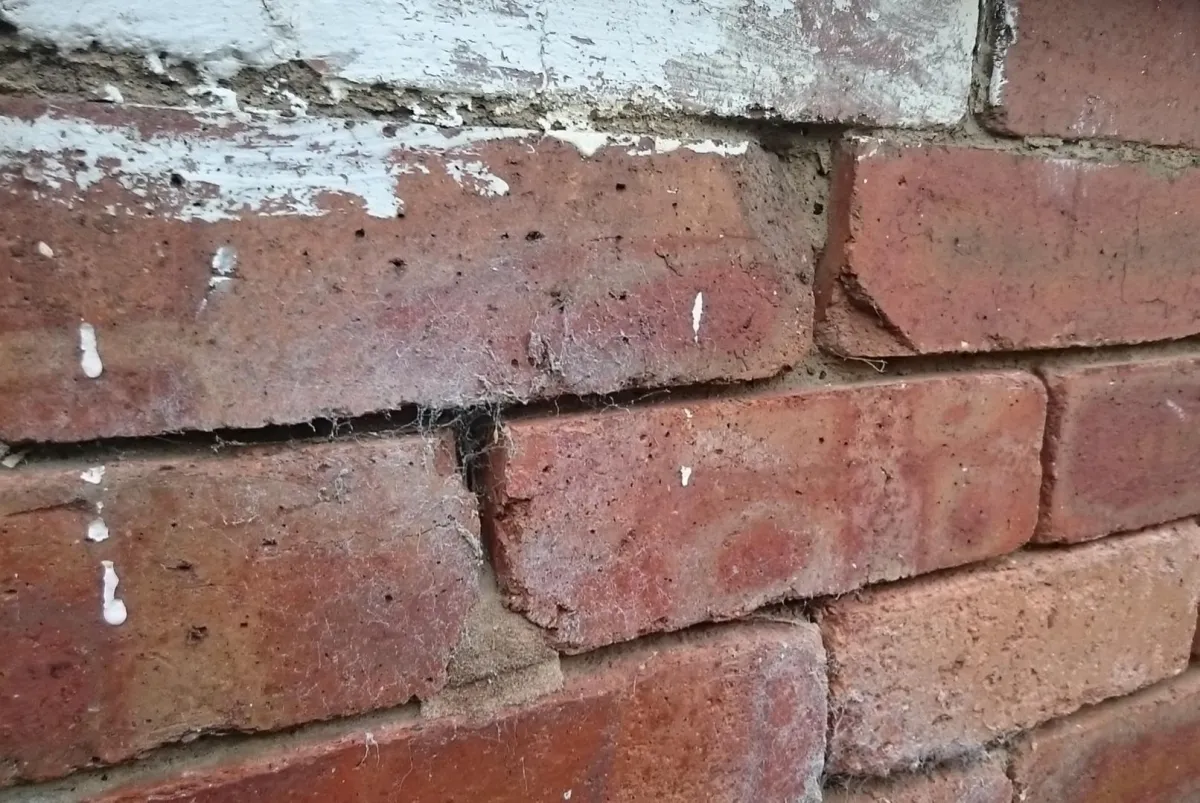
The origin of a housing disrepair issue is usually a tenant reporting the problem. It is easy for a landlord to therefore hear the words ‘damp and mould’ and presume there isn’t sufficient ventilation in a property. This can lead to a quick fix of installing portable ventilation, or mending a window that doesn’t open. In reality, the damp and mould often manifests itself as peeling or bubbling plasterwork, which is caused by saturated brickwork, which is caused by cracks in external render, which is caused by water running down the wall from a blocked gutter.
Housing disrepair issues are rarely a single problem in isolation and are usually a series of inter-connected problems, all of which require immediate and structured attention. This is why landlords need professional support with housing disrepair investigations and a systematic approach, in order to get to the root cause of an issue and to help establish liability.
Why housing disrepair cases are rarely ‘single-issue’
There are a number of compounding factors which can combine to cause a housing disrepair issue, commonly found in rental properties.
One problem causing another – As described above, one single problem can cause a domino effect which has been long in the making, and visually, can start as a minor issue with decoration, but is actually a major structural issue.
Older properties - It is common to find rental properties which were built in the early-mid 20th century and hence used materials, designs and techniques which haven’t stood the test of time. In these situations, a quick fix doesn’t always address the root cause of a problem and can lead to other, larger disrepair issues.
In most cases, these are the reasons why a housing disrepair claim rarely involves a single issue. But there are other causes which can also occur, and which a landlord has to be aware of:
Neglect – A disrepair issue can be a long-term problem that hasn’t been properly addressed. This could be due to the tenant not reporting it, or the landlord not responding to a report, for example. The cumulative effect of this is that the problem now has multiple symptoms.
Misdiagnosis – It is easy for a landlord to dismiss a common issue such as damp and mould and attribute it to tenant behaviour, such as not opening windows or drying clothes inside, when proper investigation would discover that the true cause is more substantial. In the meantime, the problem develops into multiple others.
How the root cause of a housing disrepair issue causes other problems
Underlying defects in a property can often combine to create a cumulative effect, making a small problem a much bigger one. This can be caused by:
External problems penetrating inside a property – Moisture getting into a property spells trouble. This can happen in multiple ways, through roofs, brickwork, flashing and guttering.
Pipework – Leaking pipework can cause damp and mould, but can also penetrate wooden joists, breakdown plasterwork and cause electrical issues.
Ventilation – No natural airflow in a property can cause condensation, which leads to excess moisture on windows, which leads to black spots, which leads to damp and mould. This could be caused by a broken windows not opening, broken ventilation systems, or simply poor property design.
It is essential that a landlord finds the root cause of a housing disrepair problem in order to prevent reoccurrence first and foremost, but also to satisfy their basic duty of providing a safe and comfortable property for paying tenants. Awaab’s Law now dictates that landlords respond to a damp and mould issue within a strict timeframe, but it is essential that a detailed investigation is undertaken and a landlord is able to establish the root cause of a problem. This can provide important evidence and vital expert witness reports in the event that a compensation case proceeds to court.
For landlords managing multiple properties, maintaining a structured approach to damp, mould and housing disrepair investigations can be challenging. Digital compliance tools such as Awaab.Comply help landlords and housing providers record reports, track investigations, manage repair timeframes and maintain an auditable record of actions taken in line with Awaab's Law requirements.
By documenting both the symptoms and the root cause of disrepair issues, landlords can demonstrate compliance while helping to ensure problems are properly resolved rather than repeatedly treated with temporary fixes.
Why ‘single-cause thinking’ leads to misdiagnosis, poor repairs and failed resolution
By attributing a potentially complex housing disrepair case to one single issue, a landlord could be causing themselves a big problem. Oversimplifying an issue can lead to misdiagnosis, a poor standard of repairs and the landlord ultimately being liable for an issue they initially believed to have been caused by the tenant.
Blaming the tenant – Dismissing something like damp and mould by assuming it is caused by tenant behaviour can hide what is often a complex issue that has multiple strands, and which has developed into a more significant problem. Damp and mould can penetrate the structure of a property and can cause serious health and safety issues for the tenant. Awaab’s Law now ensures landlords can’t ignore this and means they have to thoroughly investigate the root cause.
Quick fixes – Single-cause thinking leads to reactive repairs which address the most obvious and visible problems, such as replacing a broken roof tile that has caused a damp patch in a property, and not looking into what may have caused that.
Not understanding compounding factors – It is common for a number of factors to combine and to cause a housing disrepair issue, particularly in older properties. By addressing only one issue, this does not get to the root cause of the problem. This could be down to a lack of knowledge or understanding of compounding factors on the landlord’s part.
Financial factors – Landlords under pressure to make repairs can choose the cheap route because they want to believe it is just a single problem. This leads to a sub-standard repair which doesn’t properly resolve the issue.
It is essential that landlords properly investigate housing disrepair issues and protect themselves with a professional housing condition report, which allows experts to survey the property and establish the root cause of the issue. This can help landlords both financially and legally when it comes to resolving housing disrepair issues. Contact our team at Redfearn Experts to learn more about how we can help you.