9 Types of Evidence That Matter Most in Housing Disrepair Cases
Housing disrepair claims can be very complex, whether you are a landlord or a tenant. The aim of a case is to establish who is liable for a repair and to quantify the losses incurred. It can be very challenging to prove liability one way or another without expert witness reports and other forms of evidence which document what has happened and how certain parties have acted throughout the dispute.
Evidence, therefore, is the foundation upon which a successful claim, or defence of a claim, is built.
In order for a housing disrepair claim against a landlord to be successful, the claimant must prove that a landlord has been notified of a repair issue, and that the landlord has been given a reasonable period of time to resolve the problem. Clear evidence is required to support this claim.
In the case of damp and mould problems in rental properties, Awaab’s Law now ensures landlords have to adhere to a strict timeframe, but with other disrepair problems, evidence is required to show a landlord hasn’t responded within a ‘reasonable’ time period. Other forms of evidence can prove what the root cause of an issue is, and therefore who is ultimately liable for the disrepair, the landlord or the tenant.
1. Written notification of the disrepair
A record of notice is written proof that the tenant reported the disrepair issue to the landlord, and acts as the date from which a tenant can prove the landlord failed to act. The evidence can be emails, letters or text messages, but must be addressed directly to the landlord and cannot be a message intended to be passed to the landlord. This isn’t proof that the landlord received the disrepair notice.
2. Photos and videos
Time-stamped photos and videos are a strong piece of evidence and can document the extent of the disrepair and can act as a visual diary to show how the problem got worse, plus the wider impacts on health and a tenant’s possessions. Equally, a landlord can take photos and videos to demonstrate work they have done, or to prove the root cause of the issue is not something they are liable for.
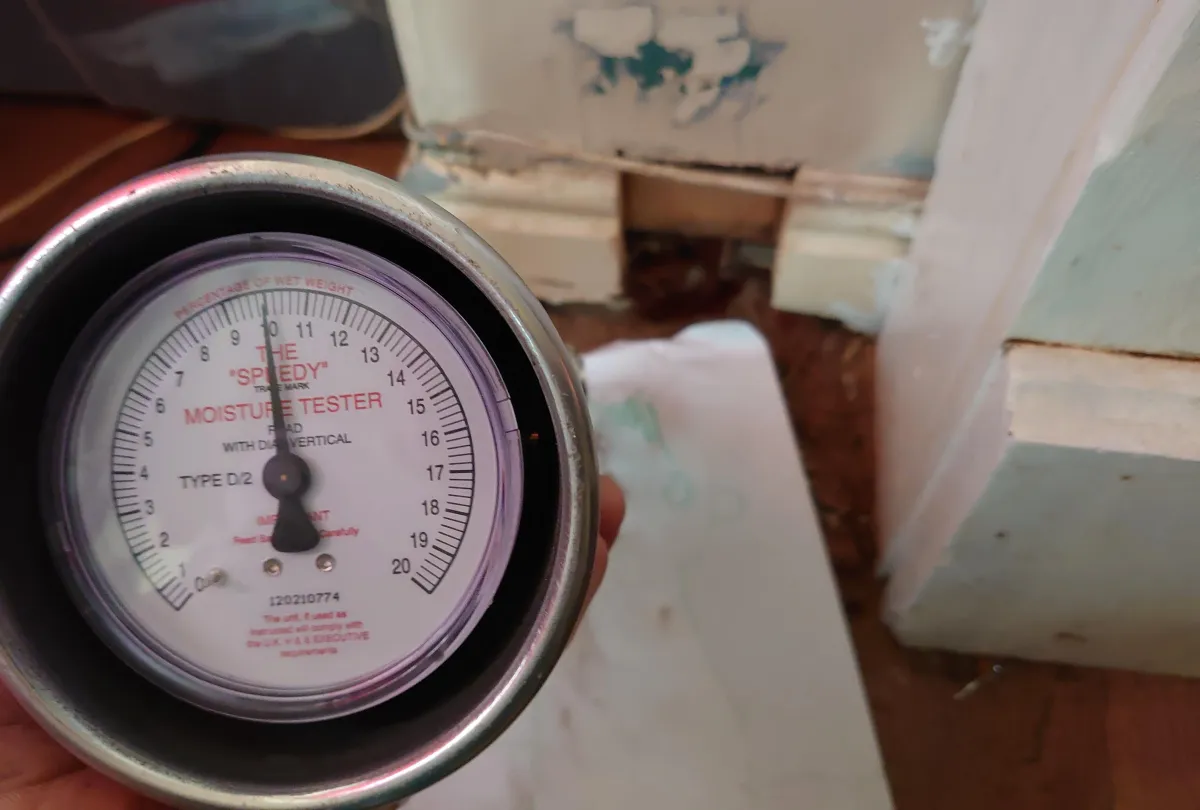
3. Readings and measurements
Either party in a dispute can instruct technical experts to carry out environmental readings or structural surveys to measure atmospheric conditions, or to determine the amount of moisture in a wall, for example. Measuring air movement and thermal imaging surveys can also contribute to a body of evidence which can help to resolve disputes over liability or a root cause.
4. Housing condition reports
An independent housing condition survey can be carried out to investigate a disrepair issue and to establish the root cause. This will make recommendations as to the repairs required and who holds liability for the disrepair.
5. Maintenance and repair records
If any repairs are carried out, or if systems such as plumbing, electrics or gas are subject to routine maintenance, these records can be important in terms of documenting the history of systems and equipment and whether these were in good working order at a specific time. They will also document whether systems were compliant with the necessary regulations.
6. Tenancy agreements
A tenancy agreement will clearly document who has responsibility for what, in terms of repairs, but also in terms of landlord and tenant behaviour and other responsibilities. There should also be a list of fixtures and fittings that were supplied as part of the tenancy, and an inventory report which documents the condition of these items and systems at the start of the tenancy.
7. Diary of the disrepair
Either party is free to maintain a documented record of how the disrepair issue proceeds. This can record the dates of all communications and when key incidents occurred, such as the problem deteriorating, or repairs being undertaken. Either party can also document incidents or observations over the behaviour of the other party, which could support their case. This could include the landlord being denied access to the property, or the landlord repeatedly turning up at the property without prior agreement.
8. Witness statements
In addition to expert witness reports on the technical condition of the property, statements from relevant parties can also help to support a case. Anyone who has witnessed the conditions of the property, or the behaviour of either party in the dispute, can help to strengthen a case.
9. Contractor records
Written reports and statements of work carried out by contractors can act as important evidence, even to support a tenant’s claim if the work did not suitably resolve an issue. A landlord can collect financial receipts and reports from qualified tradespeople or surveyors, to support their case.
The importance of maintaining a complete evidence trail
Housing disrepair claims are won and lost on evidence. Whether it is proof of notification, photographic records, inspection reports, contractor documentation or expert witness evidence, maintaining a complete and accurate record of events is essential for establishing liability and demonstrating that appropriate action has been taken.
As regulatory requirements continue to increase following the introduction of Awaab's Law, landlords and housing providers should ensure they have robust processes in place for recording, tracking and managing disrepair cases.
Alongside independent surveys, testing services and expert witness support from Redfearn Experts, tools such as Awaab Comply can help create the auditable records needed to support effective disrepair management and legal compliance.
If you require a housing conditions report, specialist testing services or DMC surveys in support of a housing disrepair claim, then contact Redfearn Experts today.